




My Projects
Some Of My Projects
Neúmen Qvântum Quiméricvm
the central system of research, creation and epistemological development that I have been building across literature, philosophy, symbolic structures and new theoretical models;
Hainica Magazine
publication conceived as an intelligent cultural and scientific review, where music, art, society, phenomenology and deeper reflections on human experience can coexist within the same editorial body. Alongside this
Omani Neúmen Vitae Chora Centre
broader institutional initiative connected to respect for life, the Earth and shared human dignity; and Fundación N’Hain, envisioned as a permanent structural foundation for future cultural, educational and philosophical work.
Nexus Quantum Quotient
The publishing house through which I develop and release my editorial work; continue expanding several book collections, including El Origen, Novedade, Constantes, Modelos, Sistemas and L’Emergence, each one connected to a different dimension of the larger Neúmen structure.
What I Create
My Creative Work
Literature & Conceptual Writing
My writing moves through love, memory, identity, loss, human experience and the structures through which we attempt to understand existence. Across fiction, emotional narrative and conceptual writing, books become more than isolated works: they can intersect, contradict one another, return to the same questions from different perspectives, or become part of larger systems of thought.
From intimate works centred on relationships, grief and personal experience to the expanding architecture of Neúmen Qvântum Quiméricvm, my literary work treats writing as both expression and investigation. A book can tell a story, preserve a memory, formulate a question or become one piece of a much larger structure.
Ned Quintana x Nexus Quantum Quotient
La literatura de Nexus Quantum Quotient representa la expansión editorial de esa visión. Si mis libros como Ned Quintana nacen desde la experiencia, Nexus Quantum Quotient nace desde la necesidad de construir una casa capaz de sostener esa experiencia, ordenarla, multiplicarla y proyectarla hacia un sistema de obra más amplio. No concibo la editorial como un lugar que simplemente publica libros; la concibo como una arquitectura cultural donde cada obra tiene posición, continuidad y función dentro de una visión mayor.
A través de Nexus Quantum Quotient, la literatura se convierte en un campo de investigación, creación y desarrollo epistemológico. Allí conviven la narrativa, la reflexión, la teoría, la filosofía, la sensibilidad artística, los modelos conceptuales y las colecciones que forman parte de Neúmen Qvântum Quiméricvm. Me interesa que cada libro no sea solo un objeto terminado, sino una pieza viva dentro de un sistema editorial que piensa el origen, la experiencia, el cuerpo, el vínculo, la emergencia de lo nuevo y las formas en que una obra puede dejar legado.
La literatura de Nexus Quantum Quotient no busca acomodarse dócilmente dentro de categorías tradicionales. Busca abrir espacio. Crear libros que puedan ser leídos como literatura, pero también como pensamiento; como obra artística, pero también como estructura de conocimiento; como expresión individual, pero también como parte de una plataforma editorial con vocación de permanencia. Ese es el punto decisivo: Nexus Quantum Quotient no solo reúne mis libros; organiza una forma de entender para qué puede servir la literatura en el presente y hacia el futuro.
Por eso describiría la literatura de Nexus Quantum Quotient como una literatura de sistema, de legado y de expansión intelectual. Una literatura que no se limita a contar el mundo, sino que intenta construir nuevas condiciones para leerlo, pensarlo y habitarlo.
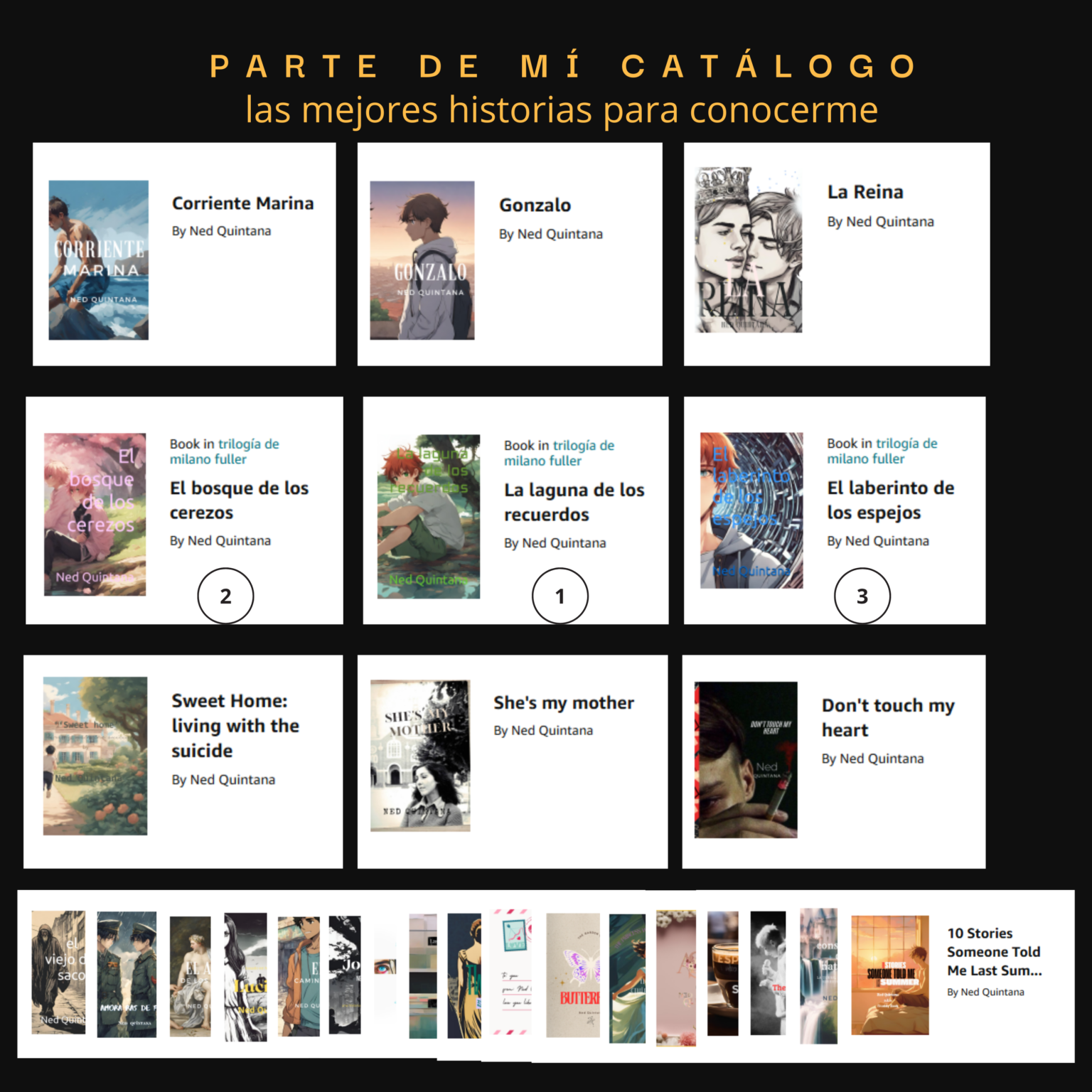
Libros
Mi literatura nace desde la experiencia humana cuando deja de ser solamente vivida y comienza a exigir una forma. Escribo sobre personas atravesadas por el amor, la pérdida, la familia, la identidad, la extrañeza, la memoria y la necesidad de encontrar un lugar en el mundo. Mis libros pueden moverse entre la novela íntima, el drama emocional, la ficción psicológica, lo inquietante o lo simbólicamente fantástico, pero en todos ellos permanece una misma raíz: me interesa observar qué le ocurre a una persona cuando algo la toca de verdad y ya no puede seguir siendo exactamente la misma.
No escribo únicamente historias. Escribo estados de transformación. Me interesan los personajes que aman demasiado, que recuerdan desde una herida, que se sostienen en vínculos complejos, que intentan comprender lo que les pasa mientras el mundo alrededor sigue funcionando como si nada. En mi literatura, la ternura, la tristeza, la devoción, la culpa, la fascinación o el abandono no son adornos emocionales: son fuerzas narrativas. Son lo que empuja la trama y, sobre todo, lo que revela la profundidad de una existencia.
Mi obra publicada muestra esa amplitud. Hay libros donde el vínculo humano es el centro; otros donde la familia, la maternidad, la juventud o el deseo de pertenecer construyen el eje; otros donde la mente, la percepción o la naturaleza se vuelven más inquietantes. Pero aunque los mundos cambien, la pregunta de fondo se mantiene: ¿qué queda dentro de nosotros después de haber amado, perdido, visto o comprendido algo que nos altera para siempre?
Por eso describiría mi literatura como una literatura emocional, psicológica y simbiótica, una narrativa donde la experiencia íntima no se queda encerrada en lo personal, sino que busca abrir una lectura mayor sobre lo que significa sentir, vincularse y permanecer.
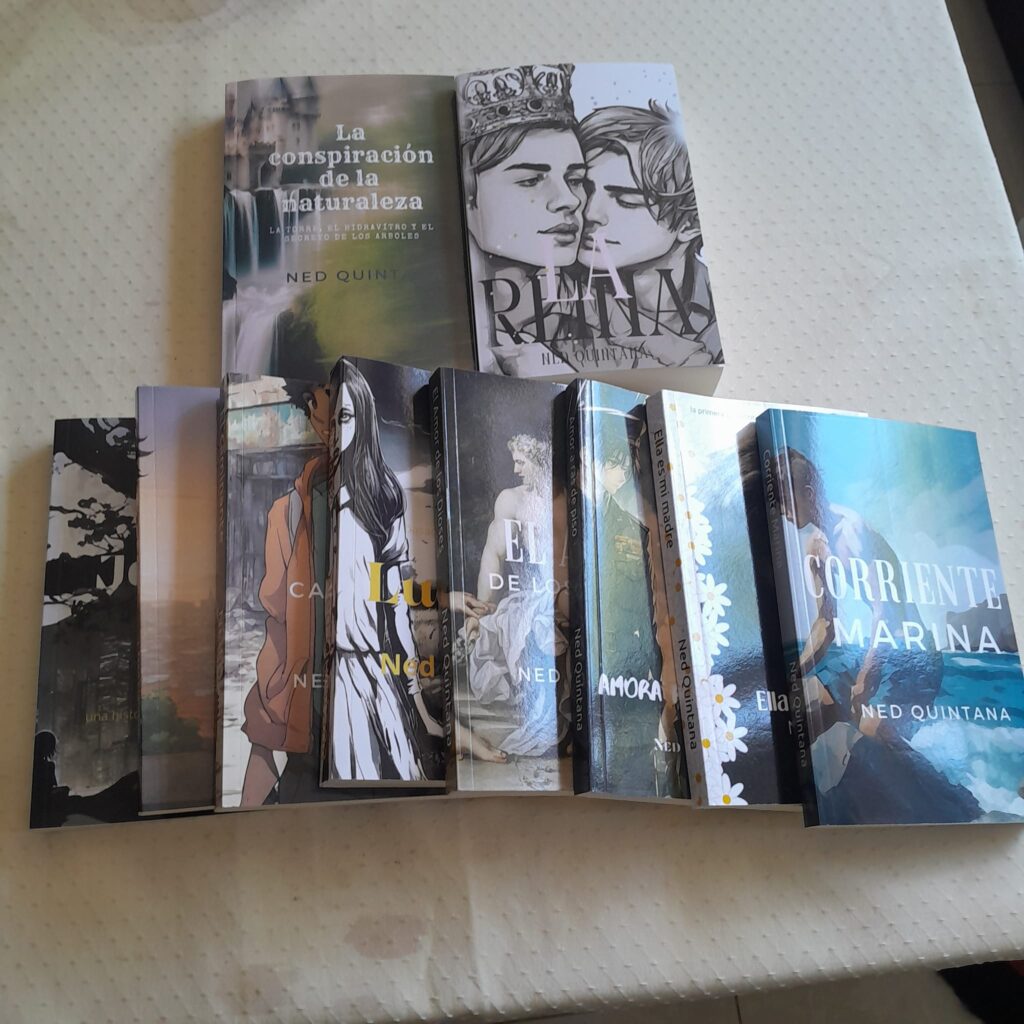

Nothing can erase the scars, and the art
Ned Quintana works
Leader Business, Musician, Author, Editor and Design his own legacy
Mi legado no nace desde la idea de querer convertirme en alguien superior ni desde la necesidad de imponer una verdad absoluta sobre el mundo. Nace más bien desde una necesidad profundamente humana de comprender la existencia sin destruir la sensibilidad que existe dentro de ella. Durante mucho tiempo observé cómo las personas separaban todo: la ciencia de la emoción, el cuerpo de la conciencia, la lógica del arte, la memoria de la biología, como si la experiencia humana pudiera dividirse en fragmentos completamente independientes. Pero mientras más observaba la vida, más sentía que todo parecía estar conectado por estructuras invisibles que todavía no aprendemos completamente a reconocer.
1M+
Reproducciones
50+
Books
100+
Songs
8 albums
albums